Historical Awareness

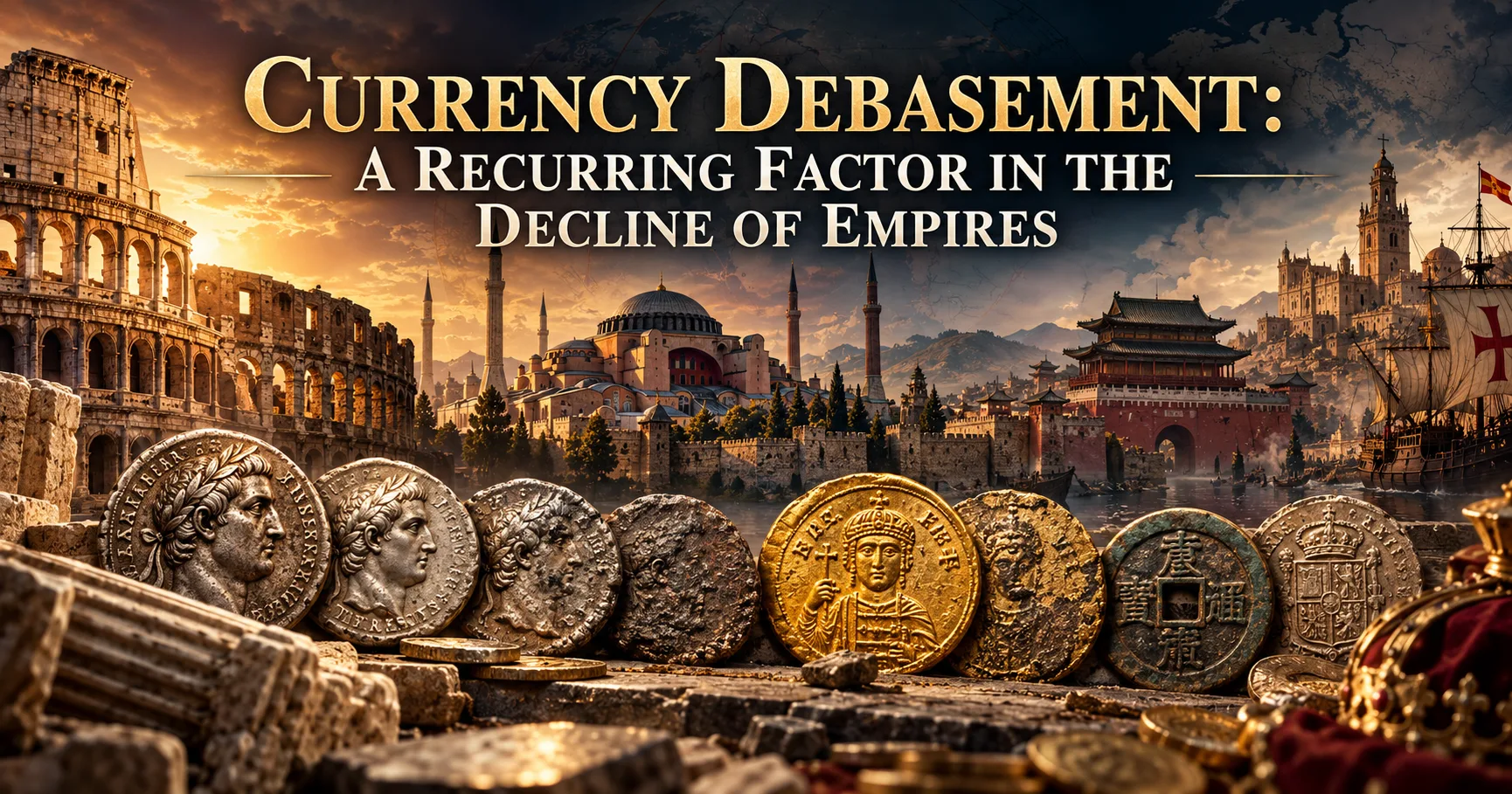
Currency Debasement: A Recurring Factor in the Decline of Empires
Historical Awareness
Currency Debasement: A Recurring Factor in the Decline of Empires

Major empires rarely collapse for a single reason. Military overextension, administrative decay, external pressure, demographic shocks, and institutional failure all contribute. Yet across widely separated times and places, one pattern appears with striking regularity: when fiscal pressures mounted, rulers debased the currency.

Second Bank of the United States
Historical Awareness

Second Bank of the United States

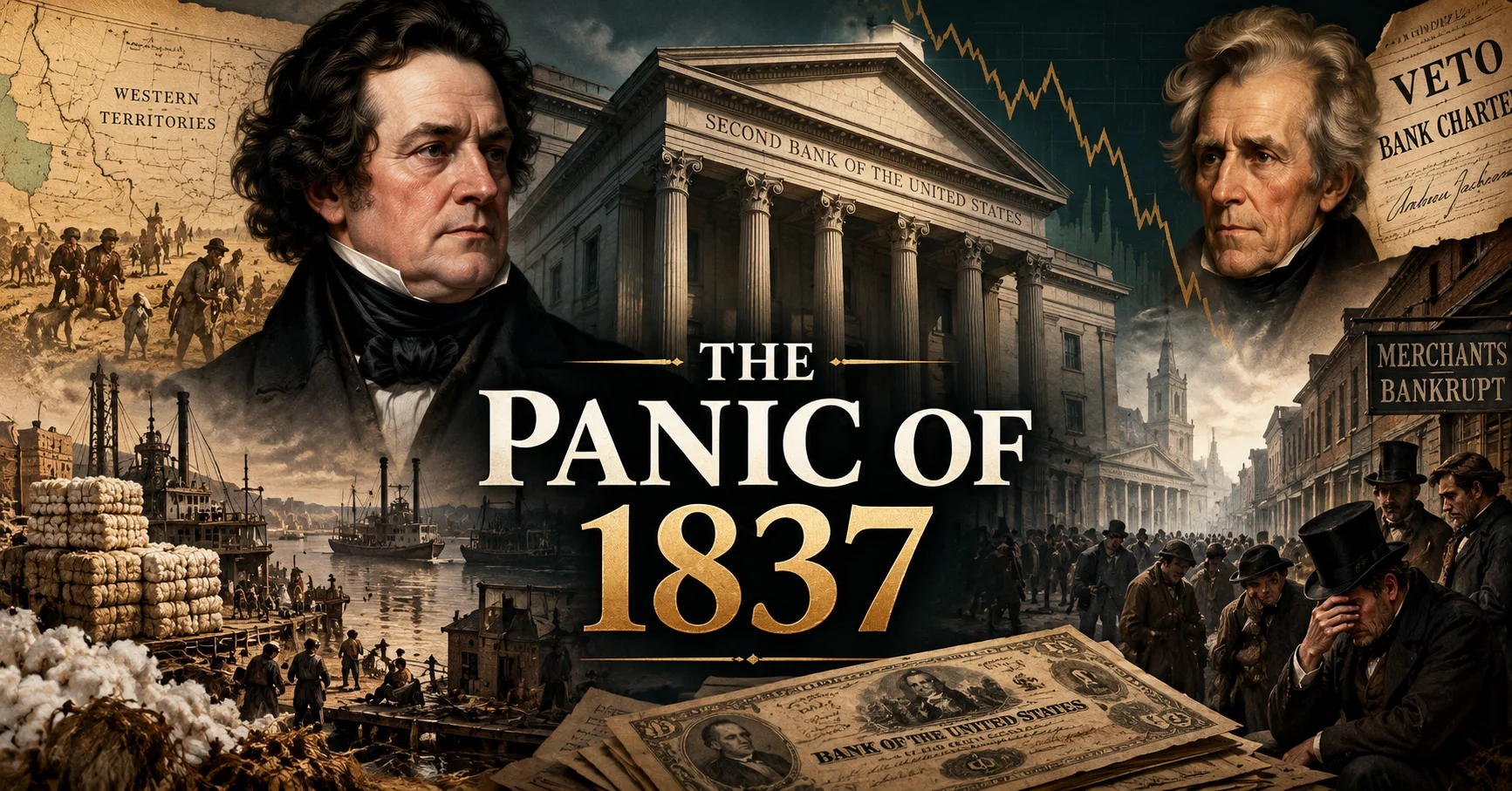
The Second Bank of the United States caused the Panic of 1837 through a deliberate, institution-saving policy reversal that crushed the economy it had previously inflated.

Money as Debt: The Hidden Architecture of Economic Control
Historical Awareness

Money as Debt: The Hidden Architecture of Economic Control

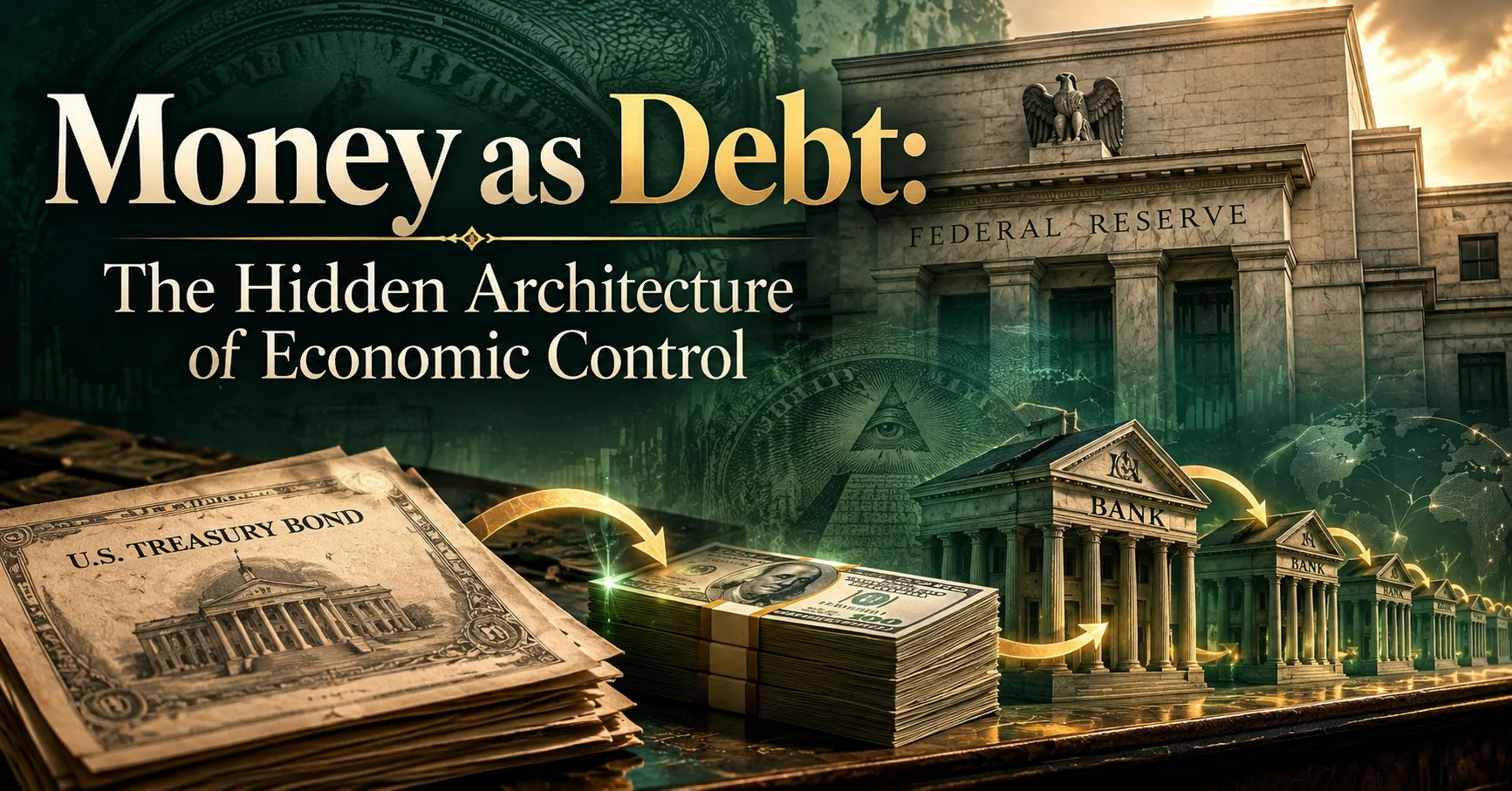
Taking on nearly religious proportions, the Established Monetary Institution exists as one of the most unquestioned forms of faith there is. How money is created, the policies by which it is governed, and how it truly affects society, are unregistered interests of the great majority of the population.

Roosevelt and Gold Robbery
Historical Awareness

Roosevelt and Gold Robbery

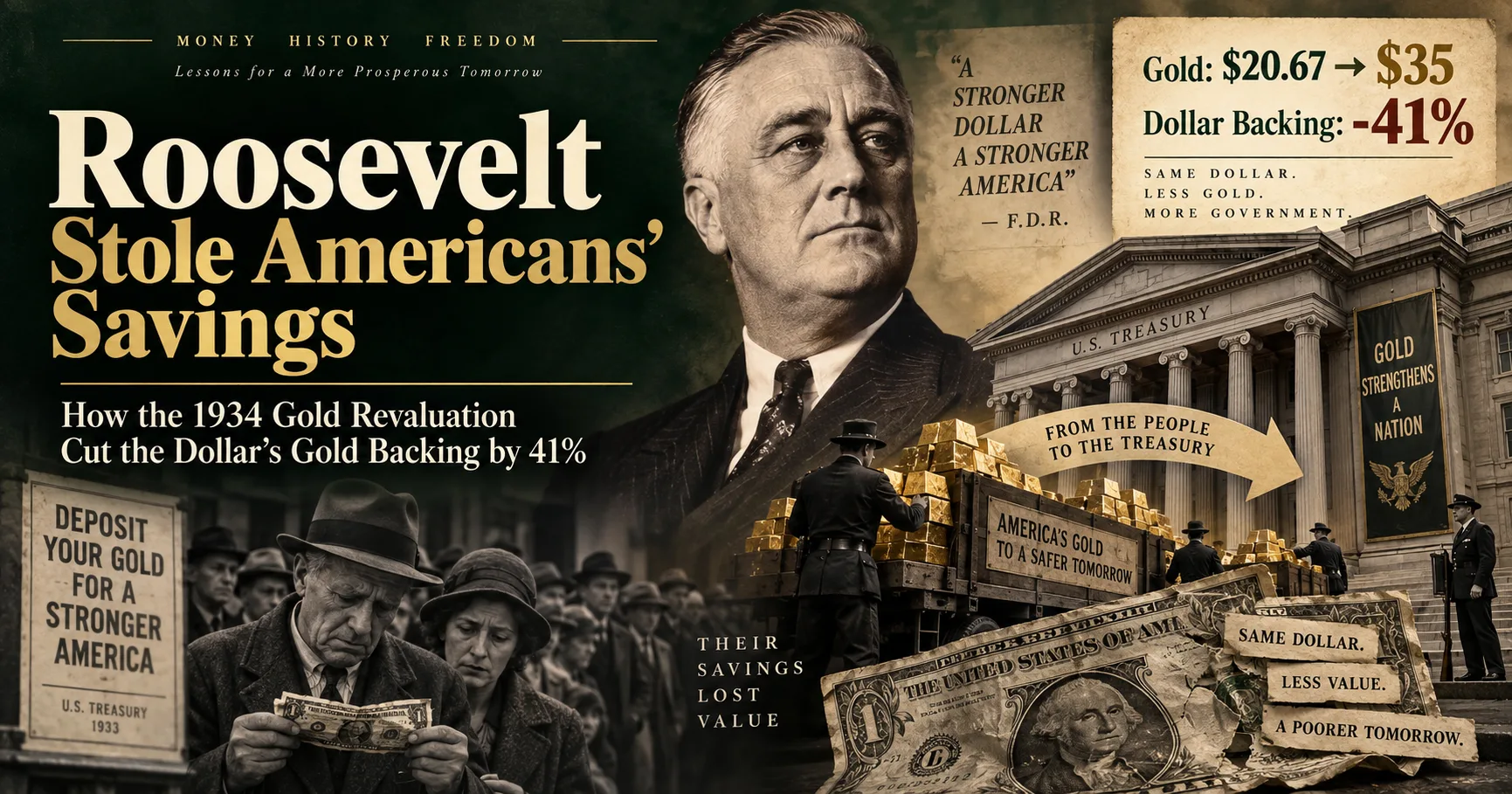
The Gold Reserve Act handed all gold held by the Federal Reserve to the Treasury, then let Roosevelt reprice gold from $20.67 to $35 per ounce by executive proclamation. That single move cut the dollar's gold content by 41%. Every dollar you held lost 41% of its backing overnight.

Bank of England
Historical Awareness

Bank of England

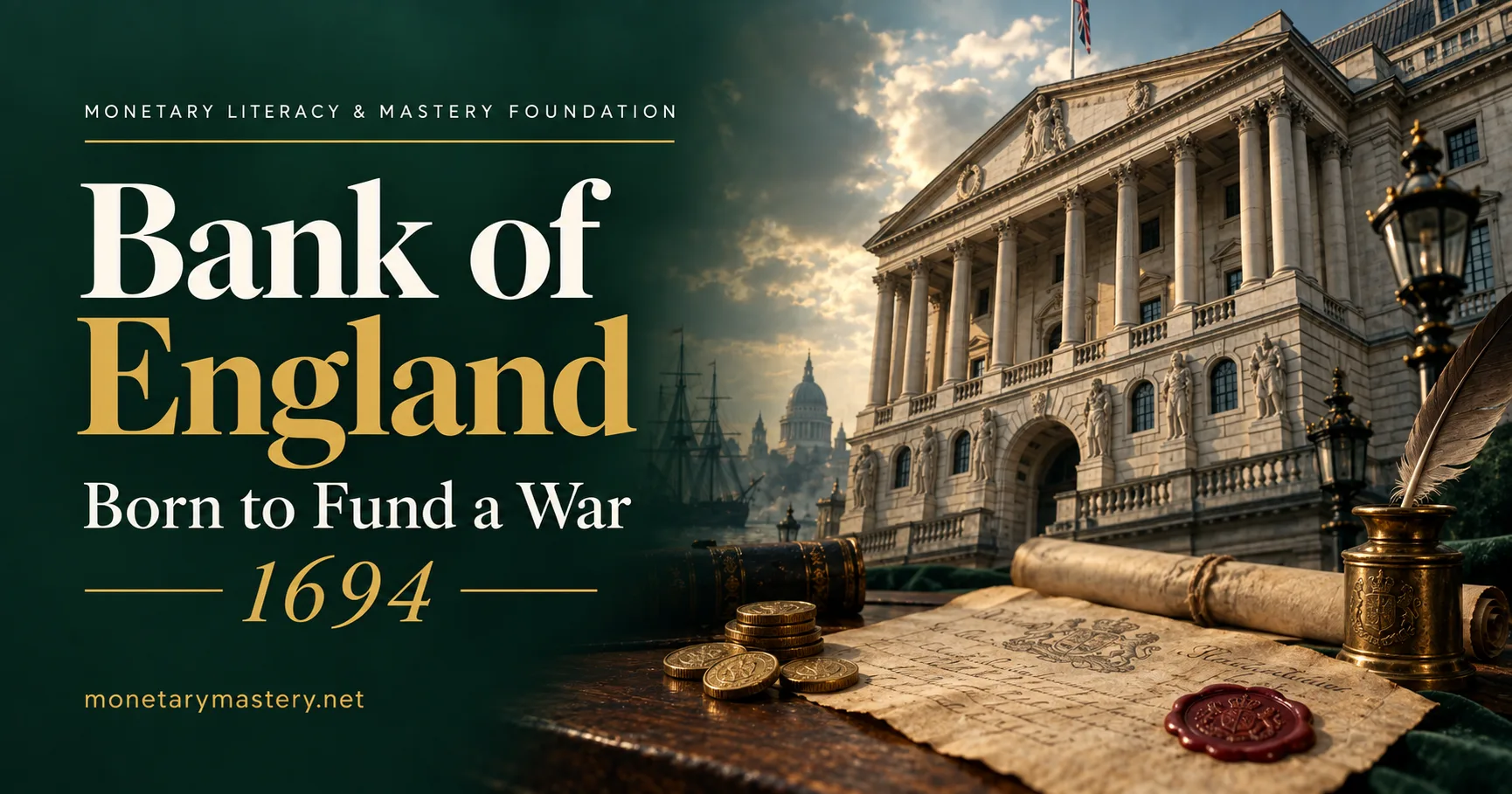
The Bank of England was born in 1694 to fund a war. William III needed £1.2 million to fight Louis XIV, Parliament wouldn't raise the taxes, and a group of London merchants solved the problem by creating money from nothing.

Theme: Emerald Ledger